Life on a course
How supervised is a study holiday? A day, hour by hour
Who is with the group at seven in the morning, at noon, and at ten at night — and what happens if a student feels unwell in a city they have never been to.
Roseworth International School
· 6 min read
On this page — 11 sections
"Fully supervised at all times" is a sentence that appears in every brochure in this industry, including ours, and it tells a parent nothing. Nobody's child is watched every second of a fortnight, and any school that claims otherwise is describing something that would be unpleasant to be a teenager inside.
What a parent actually needs to know is: who is responsible at each hour, how quickly somebody notices if a student is missing, and what happens when something goes wrong at eleven at night in a city they have never visited. So here is a real day, in order, and then the three failure cases.
07:00 — the household
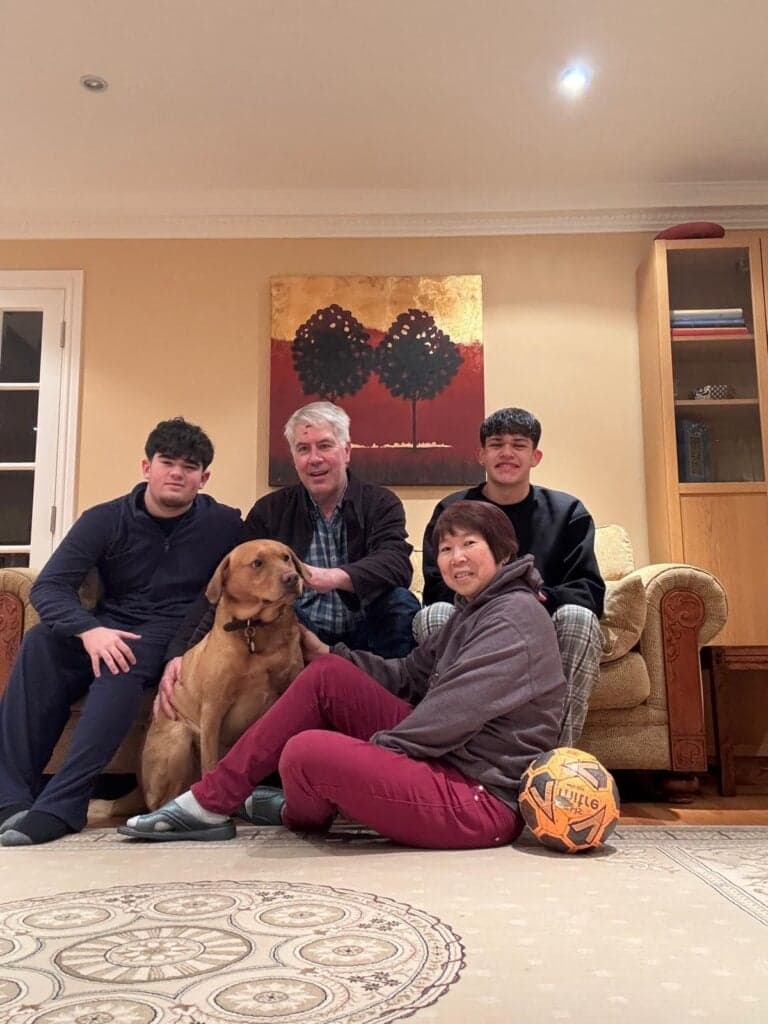
A student in a host family is woken and fed by the family. The household knows the day's plan, because they have it in writing, and they know what time the student is expected back. A student in a residence is woken by our staff, who are resident in the building, and eats in the dining hall.
If a student does not come down, somebody goes up. In a family, that is the host. In a residence, that is our staff. Neither of them waits to see whether the student appears at the school.
08:45 — arrival, and the first register
Students travel to the centre by arranged bus, on foot with the group, or — for older students on some courses, and only with written parental consent — independently on a route they have walked with staff first. A register is taken at the start of the morning. A student who is not there is telephoned within minutes: the household first, then the parent's number if the household does not know where they are.
This is the single most important control in the day and it is the least glamorous one. Almost every problem a school has with a teenage group is caught by someone counting heads on time.
09:00–13:00 — lessons
Four hours with a break, in a classroom, with a teacher. Our teachers hold current DBS certificates; that is a condition of being in front of a class and it is checked rather than asserted. Group sizes are small enough that a teacher notices a student who has gone quiet.
A student who feels unwell in a lesson does not travel anywhere alone. They go to the office, we telephone the household or the residence, and if a doctor is needed we take them and stay with them.
13:00 — lunch, and the second register
Packed lunch with the group, then the afternoon's activity is briefed: where, who is leading it, what time it ends and where the meeting point is. Every student is given the twenty-four-hour number on a card on day one, and asked to keep it in their phone as well, because a card in a coat is in a coat.
14:00–17:00 — the city
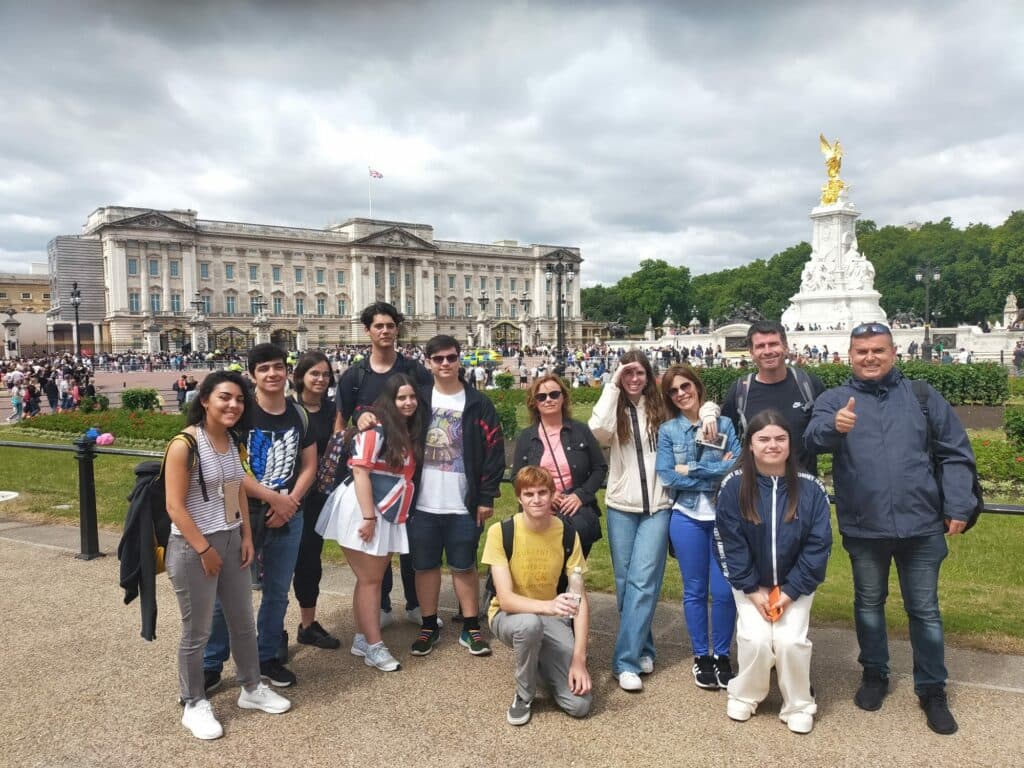
This is the part parents worry about and it is the part with the most staff. Group walks and excursions run with a named leader and a ratio appropriate to the age of the group — smaller for the younger ones. Students are never split from a group without a member of staff.
Free time is real and it is bounded. On most courses, students of fifteen and over get periods of free time in pairs or threes within an agreed area, with a return time and a meeting point. Under fifteen do not have unaccompanied free time. Where a course differs, its own page says so.
17:30 — back to the household, and the third count
Students are returned to the residence, or to the point where the family collects them, and the day's third head-count happens here. A student who has not arrived home by the agreed time triggers a call from the household to us — which is why the household has our number and not only the other way round.
19:00–22:00 — the evening
In a family: dinner, and the evening in the house. In a residence: an organised evening activity most nights, then the building. Residences have a curfew appropriate to the age group and our staff are on site all night.
Overnight
The twenty-four-hour number is answered by a person, not a voicemail, at every hour of the course. That is worth stating plainly because it is the one thing a parent five time zones away actually needs. If your child telephones you at three in the morning, you can telephone us at three in the morning.
The three cases that matter
A student is unwell. We assess, contact you, and if there is any doubt we see a doctor. In the UK, treatment for a visitor is arranged through a walk-in centre or A&E as appropriate; a member of staff stays with the student throughout and you are told before we go, not afterwards. This is why we ask for medical information at booking and why it is worth completing honestly — including anything a student would rather not mention.
A student is missing. There is a written procedure, it starts at the moment a register is short, and it does not begin with waiting. In practice this has always ended within the hour and usually within ten minutes, most often because a fifteen-year-old got on the right bus in the wrong direction. You are contacted as part of the procedure, not after it is resolved.
A placement is not working. Occasionally a student and a household simply do not suit each other. Tell us — or let your child tell us — and we move them. We keep more approved families in each city than we need, precisely so that this is a decision rather than a negotiation.
What we ask of you
Three things, and all three are the difference between a smooth fortnight and a difficult one. Complete the medical and dietary information properly. Tell us if your child has never been away from home before. And make sure they arrive with a working phone and our number in it.
Where to read the rest
The accommodation half of this — what a household is like, how they are checked, and how to choose — is in host family or student residence. The shape of the fortnight is in what is a study holiday. And each course page carries the actual itinerary for its dates, including which afternoons are group activities and which are free.
If there is a specific worry — a medical condition, a first trip abroad, a child who is anxious about flying — put it in the message on the contact page. It is the useful thing to tell us, and it changes what we recommend.